
Most people think cold outreach is awkward, intrusive, or desperate. But it is quite the contrary.
Cold outreach is not about asking for jobs; it’s about entering the hiring conversation early, long before CVs start getting screened and rejected.
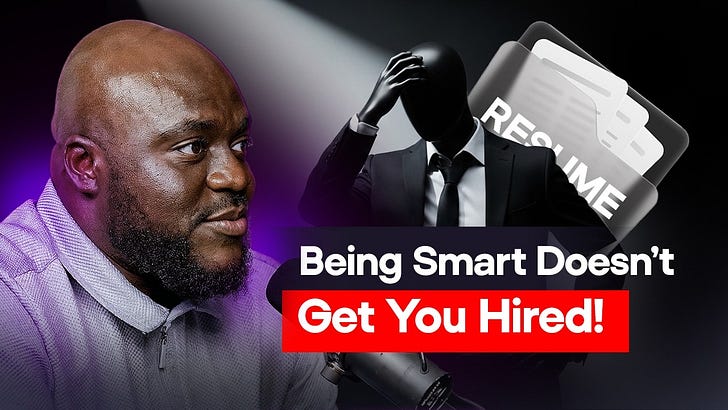
This article breaks down how cold outreach actually works, based solely on a tried-and-tested approach and the real-world experience of Joel Ananman, founder of Career Wheel and The Mande.
Why Cold Outreach Matters More Than Applications
The biggest mistake job seekers make is assuming hiring starts when a job is posted.
It doesn’t.
By the time a role appears online:
Recruiters already have names in mind
Internal referrals are already being considered
Hundreds of applications flood in within days
At that point, your CV is competing for attention, not opportunity.
Cold outreach flips this script entirely. Instead of showing up late, you show up early, visible, and familiar.
Cold Outreach Is Not About Asking for Jobs
Cold outreach fails when people lead with requests.
Messages like
“Please let me know if you have any openings.”
“I’m looking for a role. Can you help me?”
“I admire your company and would love an opportunity.”
These messages create pressure and put the receiver in an uncomfortable position.
Effective cold outreach does the opposite.
It is about:
Curiosity, not need
Context, not desperation
Long-term visibility, not instant results
How to Approach Cold Outreach Strategically
Step 1: Pick Companies, Not Job Boards
Instead of applying everywhere, you pick a small number of companies
Ideally, within one industry or role type, and it should be a company or companies you would genuinely like to work for
This factor is really important because outreach only works when it’s intentional. Random messages to random companies don’t compound.
Step 2: Identify the Right People
Cold outreach is not about messaging “anyone.”
It should point to three key groups:
Recruiters or talent partners
Hiring managers or team leads
People already in the role
These are the people closest to hiring decisions or influence over them. The goal is not to impress all of them but rather to become familiar with one or two.
Step 3: Start With Context, Not Credentials
Your first message should not be your CV.
Cold outreach messages should:
Reference the company or team
Show you understand what they do
Be short, human, and specific
The goal is not to pitch yourself in this initial stage, but rather, to open a conversation. This is why generic copy-paste messages fail; they signal low effort and low intent.
Step 4: Don’t Expect Immediate Results
Joel openly talks about spending months in outreach mode.
Cold outreach is not:
Send one message = get hired
Send one message = get a reply
It is:
Message
Follow up weeks later
Stay visible over time
Engage when opportunities surface
In his experience, the people who succeed are not the loudest, they are the most consistent.
Step 5: Apply When It Finally Makes Sense
Here’s where cold outreach pays off.
When a role finally opens:
Your name is familiar
Your interest is already known
Your application is not “cold”
You are no longer just a CV in a pile; you are a person someone has seen before, and this is solely because you already wormed your way in through earlier conversations.That alone changes how your application is treated.
Why Most People Avoid Cold Outreach (And Why They Shouldn’t)
Joel makes an important observation:
Most people avoid cold outreach because it feels uncomfortable.
But discomfort is often a signal that you’re doing something that actually works.
Applying endlessly feels safe.
Cold outreach feels risky.
Yet one produces silence.
The other produces conversations.
The Bigger Lesson
Cold outreach is not a hack.
It’s not manipulation.
It’s not begging.
It’s understanding how hiring really works and choosing to participate before decisions are made.
If your job search strategy only starts with “submit CV,” you’re already too late.
This article is just one piece of the priceless conversation we had with Joel Anaman on Unscripted with Raygan. To watch the full conversation, click this link: