
Two simple questions sparked conversations across our platforms this week.
Do you believe in Ghana?
And is Ghana truly free?
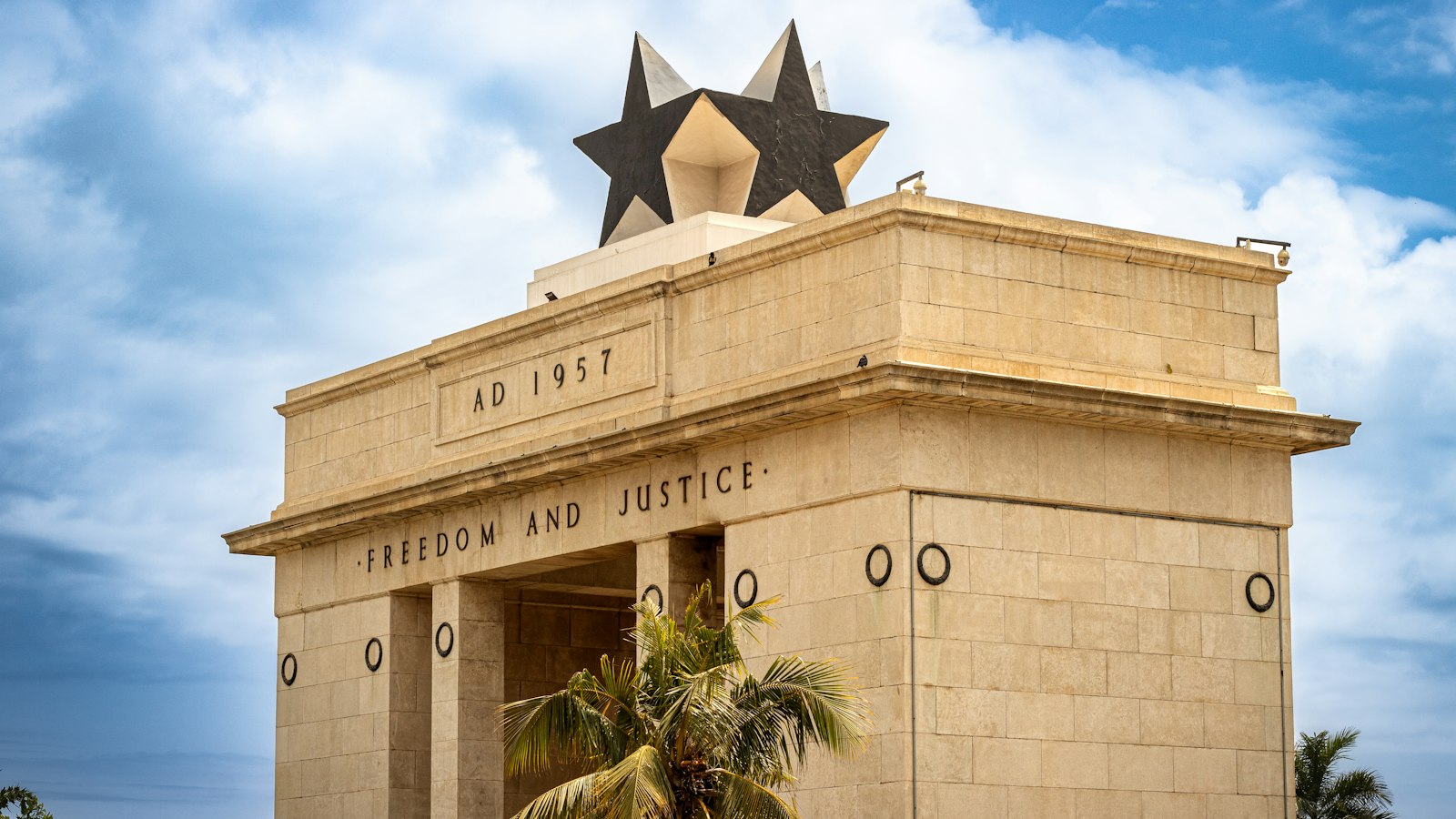
In 1957, Kwame Nkrumah stood before a hopeful nation and made a declaration that would echo through history.
Ghana our beloved country is free forever.
That moment during Ghanaian independence was more than a political announcement. It was a statement of possibility. A belief that a nation once governed by others could now define itself.
But history often shows that freedom is easier to declare than it is to sustain.
In a recent episode of Unscripted with Raygan, governance expert Professor Baffuor Agyeman Duah reflected on this tension. He described Ghana’s independence as a painful birth. Not to diminish the significance of that historic moment, but to remind us that independence did not erase the structural, political and economic challenges that came with it.
Like many nations emerging from colonial rule, Ghana inherited systems that would take time to reshape. Institutions had to mature. Political cultures had to evolve. National identity itself had to be negotiated over time.
For some citizens today, the question of whether Ghana is truly free is tied to everyday realities. Economic pressures, limited opportunities and frustrations with governance sometimes make the promise of independence feel unfinished.
Yet others see the story differently.
Ghana has built a reputation as one of the more stable democracies in Africa. Leadership changes through elections. Citizens debate public issues openly. The national conversation is often loud, sometimes uncomfortable, but undeniably alive. These are not small achievements.
Perhaps the difficulty lies in how we measure freedom.
If freedom is defined only by the end of colonial rule, then Ghana achieved it in 1957. But if freedom also means economic dignity, institutional strength and a society where opportunity is widely accessible, then freedom becomes something that must be continuously built.
And that is where the conversation becomes interesting.
Maybe the question is not simply whether Ghana is free or not.
Maybe the deeper question is what freedom is supposed to look like seventy years after independence.
Is it merely the absence of colonial authority?
Or is it the presence of systems that consistently serve the people?
Because if independence was the first chapter of the story, then the generations that came after have been writing the rest of it.
And perhaps the real reflection for us today is this.
If Kwame Nkrumah were to stand again before the country he once declared free forever, would we say we have fulfilled that promise or are we still in the process of understanding what it truly means?